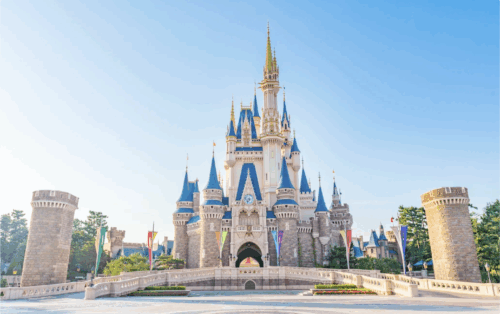
Figure 1: Tokyo Disneyland. Source: Japan National Tourism Organisation (JNTO)
The Walt Disney Company has established an unrivalled position in today’s world, combining creativity and innovation to constantly break and reshape the boundaries of entertainment. With more than 230,000 employees and a market cap of approximately $170 billion, Disney has managed to grow from a small animation studio to an entertainment powerhouse — creating record-breaking blockbuster films, running a leading streaming platform, and even operating 12 theme parks worldwide.
2026 marks its 102nd year as a company, which raises an interesting question to examine. How has Disney managed to sustain its longevity and continue to define consumer demand for over a century, all while maintaining its dominant position in the media and entertainment industry globally?
The Rise, The Fall, and The Revival of Disney
In 1923, a twenty-one year old Walter Elias Disney moved to California with the dream of creating animated cartoons and short films. Quickly after arriving, he was contracted by a distributor named M. J. Winkler to distribute a series of his cartoons called Alice Comedies. This marked the start of his success — and with his brother, Roy Oliver Disney, they soon opened the Disney Brothers Cartoon Studio.
After four years of creating Alice Comedies, Walt Disney pivoted into creating an all-cartoon series for a year, starring a new character called Oswald The Lucky Rabbit. However, upon approaching his distributor to negotiate funding for the next year, he discovered that his distributor had secretly recruited most of his animators and claimed all legal rights to Oswald in hopes of continuing the series at a lower cost without him. This devastating loss pushed him to independently create the iconic Mickey Mouse to star in Steamboat Willie — his first cartoon film with fully synchronised sound, which quickly gained rave reviews and popularity.
Over the following years, business at the Walt Disney Company prospered, with releases like Snow White and the Seven Dwarfs and Pinocchio rapidly gaining critical acclaim, strong box office success, and global popularity. This was recognised by the U.S. government, and during World War II, Disney entered into a $90,000 Navy contract to create animated training films for the military. By 1943, more than 90% of Disney’s work was related to World War II. While propaganda films kept the studio afloat during wartime, this proved to be a controversial move. Some of their animations stereotyped or demonized America’s enemies at the time, including Japan and Germany, which clashed with their growing global appeal and risked alienating international audiences.
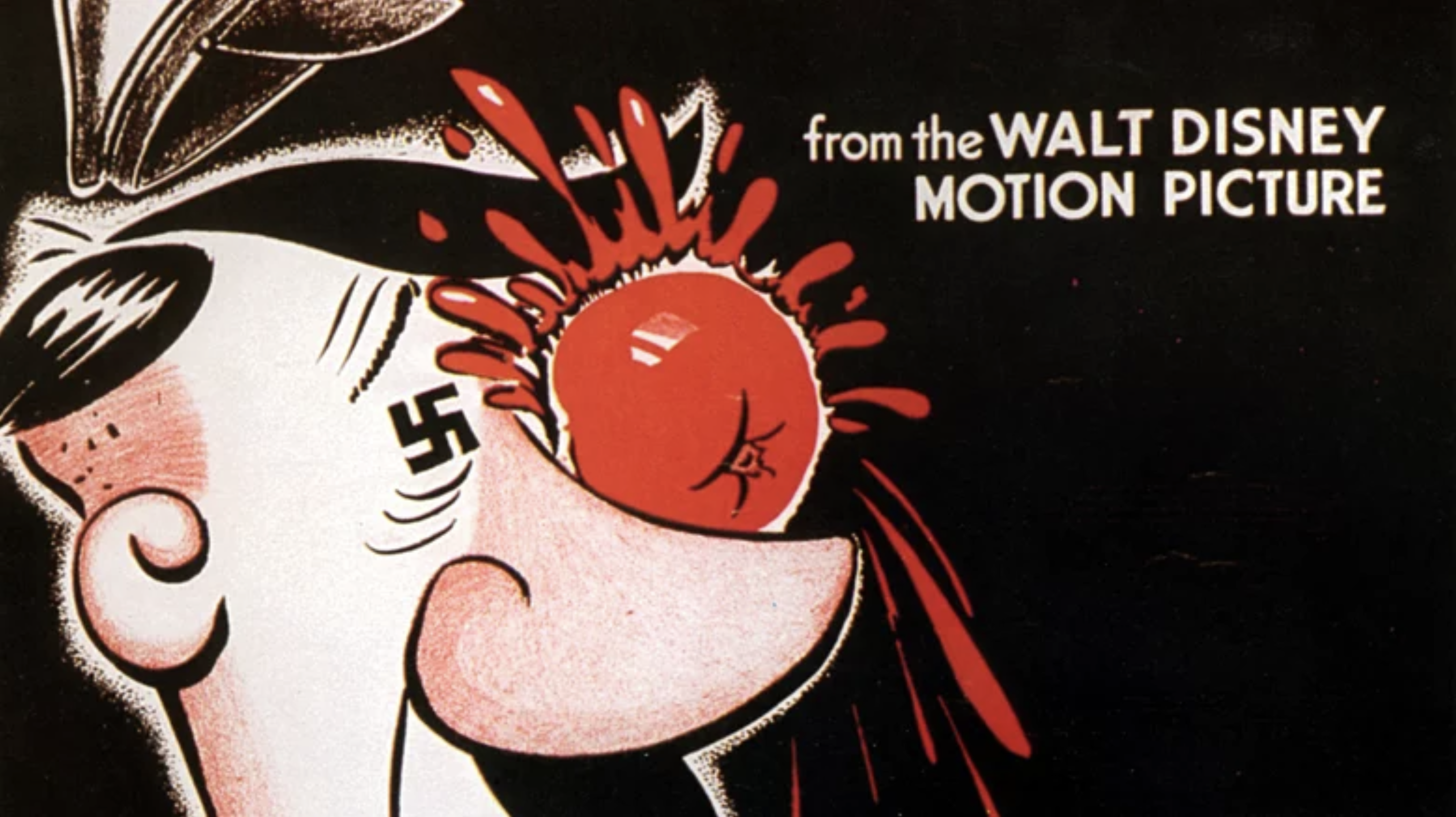
Figure 2: An example of Disney’s propaganda cartoons. Source: Grunge
Disney’s troubles didn’t end with World War II. After Walt Disney’s passing in 1966, the company shifted its focus onto theme parks and live-action films. While these expansions were profitable, the neglected animation department was dwindling in numbers — 500 animators soon became 125. Threatened by the rising popularity of teen-oriented movies, Disney attempted to reach young adult audiences instead of their usual family-friendly market, but these attempts proved to be unsuccessful. Due to these creative failures and financial setbacks, this era was later dubbed by fans as Disney’s “Dark Ages”. However, throughout the 1980s, the Disney animation was brought back to life. Movies like Tron and The Black Cauldron experimented with CGI, while The Little Mermaid and Beauty and The Beast used musical storytelling to captivate audiences. By placing feature animation back at the center of the company, Disney had replicated their earlier success and revived themselves from Dark Ages.
To further solidify its status as a world-leading entertainment company, Disney also acquired many other franchises and brands. Some key acquisitions include ABC Television (1996), Pixar Animation Studios (2006), and Marvel Entertainment (2009). In 2019, Disney made headlines by acquiring 21st Century Fox for $71.3 billion, making it the second largest media acquisition in history. This aggressive M&A strategy highlights Disney’s dominant market position, allowing it to strengthen control across the media industry.
Beyond the Box Office
While Disney’s history reflects cycles of rise and revival, the dominance sustained today is primarily driven by its ability to integrate their intellectual property (IP) across multiple business segments—converting one story into many revenue streams. A Disney character does not end at the cinema; it reappears on merchandise shelves, on Disney+, in theme park rides, and even on cruise ships. In 2025 alone, the film studio generated more than US$6.5 billion at the global box office. Moreover, the company said that 37 of the 60 films that ever passed the US$1 billion mark came from Disney industrywide. This scale of success matters as every successful franchise becomes more than a hit; it becomes the foundations for the rest of the business.
Disney has also built their size through acquisition, buying Marvel in 2009 and 21st Century Fox, giving it deeper control over the blockbuster franchises and an even larger content library. But the real advantage is not owning more stories; it’s gaining more ways to monetise them. In FY 2025, Disney’s segment delivered US$9.995 billion in operating income, while Entertainment operating income rose 19% to US$4.7 billion. In other words, the films that Disney produces do not just make money once when they air, they keep generating value across the company through other venues long after release.
That is what makes Disney hard to compete with. Competitors can produce a hit film or launch a streaming service, but only a handful can turn their piece of IP into a self-reinforcing commercial ecosystem. Disney does not merely follow the demands of consumers; it repeatedly reshapes it.
The Next Chapter for Disney
Disney’s future plans point towards the direction of sustaining growth through by increasingly integrating storytelling and revenue generation. One such example from Disney’s multifaceted growth strategy is the integration of Hulu into Disney+. Hulu, one of the most subscribed video-on-demand streaming media services, brings a massive library of stories to Disney’s ecosystem. In the fourth quarter of 2025, the Walt Disney Company reported that Hulu had 64.1 million paid subscribers. By combining Hulu’s content with Disney+, the company creates a larger, more unified storytelling platform that keeps subscribers engaged longer, ultimately turning more stories into steady subscription revenue.

Figure 3: Nvidia and Disney unite: Jensen Huang introduced a real-world robotic version of Disney’s Olaf on Stage TechCrunch
Beyond streaming, Disney is equally ambitious at the physical frontier. Disney is partnering with NVIDIA and Google DeepMind on a new open source physics engine called Newton—designed to allow Disney’s robots to handle complex tasks such as grasping and moving objects with far greater precision. These developments have significant implications for theme park revenue.
At NVIDIA’s GTC 2026 conference, a free-roaming, talking robotic version of the beloved Frozen character, Olaf, was revealed. This robot is capable of independently interacting with guests while balancing on unstable surfaces. This next generation of robotic characters have stepped into the spotlight at the World of Frozen at Disneyland Paris last 29 March 2026. These aren’t novelty attractions; they are a scalable, high-margin strategy to deepen guest engagement, extend visit duration, and justify premium pricing without proportionally increasing labor costs.
The broader financial picture reinforces this technological push. Disney has committed approximately $60 billion to expand its parks, experiences, and producers segment over the next decade, with the park division already achieving $10 billion in operating income in 2025. Expansion projects are implemented at every one of its theme parks, with five additional cruise ships scheduled for launch beyond FY 2026 and a new theme park planned for Abu Dhabi. Before the COVID-19 pandemic, Disney only operated 4 cruise ships. It now aims to reach 13 ships by 2031, with the cruise segment projected to contribute up to 12% of Experience revenue by 2027, which is up from 6% in 2019. The logic behind this strategy is simple but powerful: unlike a theme park, where guests can sleep at a rival hotel or eat at an outside restaurant, a Disney cruise is a sealed ecosystem. Every meal, show, and purchase stays inside the Disney “ bubble.” This will maximize revenue capture while delivering the kind of deep, immersive storytelling that turns first-time guests into lifelong fans.
Happily Ever After?
Disney’s century-long journey is not simply a story of survival but a story of reinvention with purpose. From a simple idea, the company has grown into a vast business empire with numerous products and iconic theme parks. Each setback, from the loss of Oswald to the “Dark Ages,” became a catalyst for transformation rather than decline.
The magic of Disney lies in the fact that its success isn’t confined to fairy tales, but in the ability to predict what audiences want before they know it themselves. In doing so, Disney shaped and fabricated global demand. For Disney, the next century starts the same way the last one did—not with a product but with a story. This time, however, these stories carry a myriad of revenue streams.
https://time.com/6323556/disney-100-history/
https://d23.com/disney-history/
https://www.bbc.co.uk/news/extra/NUgROc189X/disney-100-years
https://collider.com/best-disney-movies-from-the-dark-age/
https://www.grunge.com/592976/what-you-didnt-know-about-walt-disneys-propaganda-films/
https://quartr.com/insights/company-research/disneys-most-notable-acquisitions-since-inception
https://portersfiveforce.com/blogs/growth-strategy/thewaltdisneycompany
https://techcrunch.com/2026/03/22/do-you-want-to-build-a-robot-snowman/
https://parametric-architecture.com/olaf-nvidia-robot-at-disney-parks/
https://thewaltdisneycompany.com/news/disney-plans-to-expand-investment-in-parks-business/
https://www.wdwinfo.com/news-stories/disney/disney-parks-post-record-10b-income-in-2025/
https://site.financialmodelingprep.com/market-news/disneys-cruise-expansion-setting-sail-for-growth
The CAINZ Digest is published by CAINZ, a student society affiliated with the Faculty of Business at the University of Melbourne. Opinions published are not necessarily those of the publishers, printers or editors. CAINZ and the University of Melbourne do not accept any responsibility for the accuracy of information contained in the publication.